
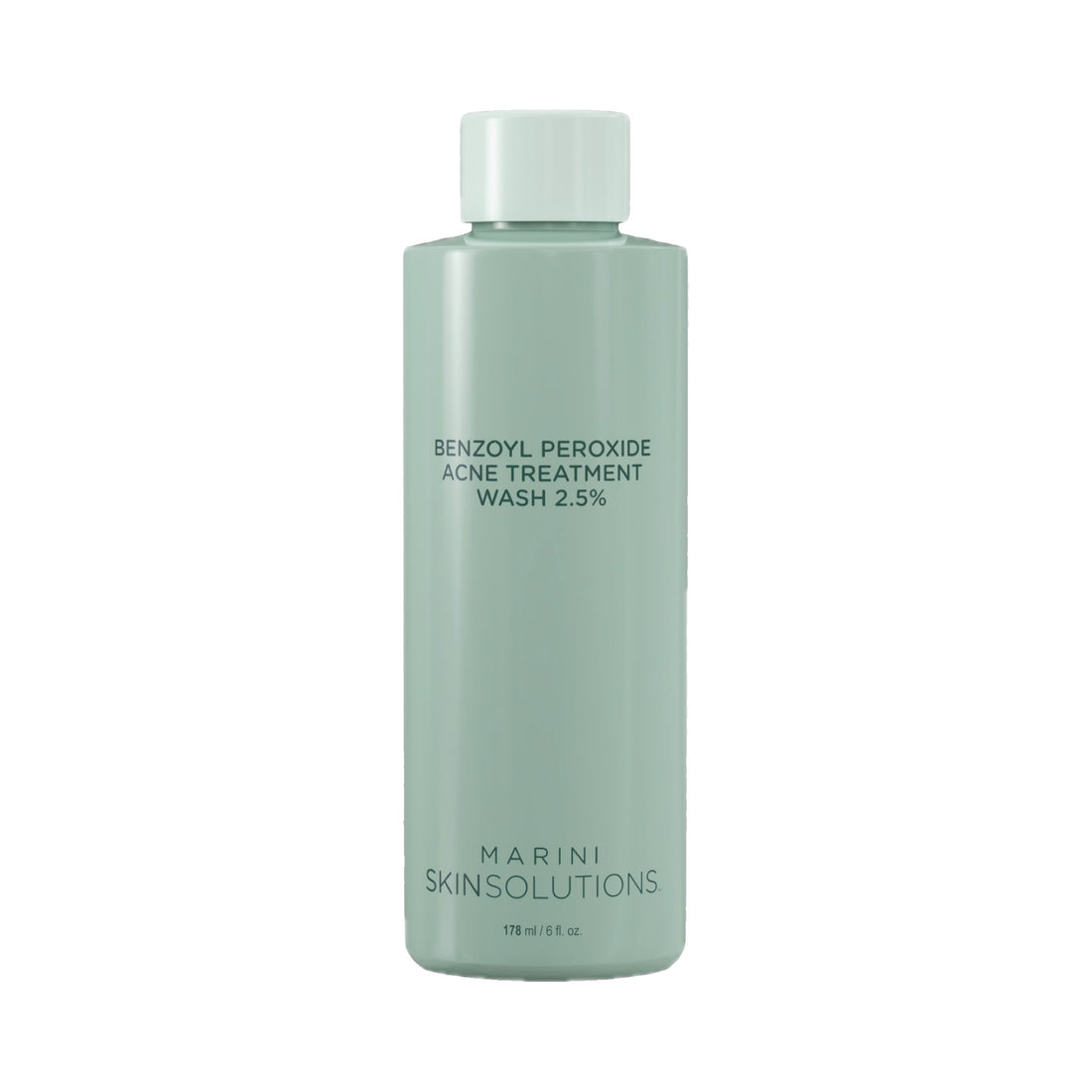
Benzoyl Peroxide Acne Treatment Wash 2.5%
- Regular price
-
$50.00 - Regular price
-
- Sale price
-
$50.00
✓ Expert Curated by Licensed Estheticians · ✓ Ships in 1 to 2 Business Days · ✓ Free Shipping on Orders $50+
A benzoyl peroxide wash for clearer skin that feels clean, soft and smooth.
Your skin runs oily and gets congested and inflamed, and you want your cleanser to do more than clean.
This wash cleanses with 2.5% benzoyl peroxide. It treats acne and helps prevent new acne blemishes, leaving skin clean, soft and smooth rather than stripped. It uses the lowest standard strength of benzoyl peroxide, which in clinical study matched 5% and 10% on acne blemishes. Jan Marini makes it for oily skin that gets congested.
Who It Is For
Oily and combination skin that gets congested and inflamed and wants clearer skin from daily cleansing.
Acne Safe
What You Will See, and When
Skin feels clean and smooth after the first wash. Give it several weeks of steady use to judge the change in your skin.
How to Use
Use it once a day as your second cleanse, after your first cleanser. Work a quarter sized amount into a lather on wet skin over the areas you are focusing on, leave it on for one to three minutes, then rinse with lukewarm water and pat dry. If your skin feels dry or sensitive, use it every other day or rinse it off sooner. Follow with the rest of your routine, with sunscreen last in the morning.
The Science
Stronger is not automatically better. In three double blind studies, 2.5% benzoyl peroxide worked as well as 5% and 10% on acne blemishes.
Questions
Why a Routine Made for You Works Better
General advice is written for everyone, so it has to assume nothing about you. It can tell you what is safe. It cannot tell you what will work for your skin.
Skin changes when it is challenged just enough, then given time to recover and adapt. That amount is different for every person, and it moves as your skin gets stronger. Ask too much and your skin spends its energy recovering instead of improving. Ask too little and nothing changes. Finding that point for you, and moving it at the right time, is where results come from.
Where that point sits depends on:
- Your skin: its history, how it reacts, and what it is doing today
- Your health: hormones, medications, pregnancy and any condition that changes how skin behaves
- Your lifestyle: sleep, stress, diet, sun, exercise and climate
- Your routine: what you use now, and what has and has not worked before
- Your goals: what you most want to change
- Your expectations and timeline: how soon you want to see change, and what is realistic for your skin
- Your consistency: how much time and how many steps you will keep up with, because the best routine is the one you actually do
- Your treatments: what you have had and what you have planned
A skin therapist weighs all of this, builds a routine you can keep, and adjusts it as your skin responds. That is why we guarantee our products when they are part of a routine designed by one of our skin therapists. If you have been reading general advice, bring your questions. We will help you sort out what applies to you and what does not.
Key Ingredients
Full Ingredient List
Active ingredient: Benzoyl Peroxide 2.5%. Inactive ingredients: Water/Aqua/Eau, Sorbitol, Cetyl Alcohol, Stearyl Alcohol, Propylene Glycol, Glycerin, Ammonium Lauryl Sulfate, Carbomer, Sodium Hydroxide, Sodium Citrate, Propanediol, Diethylhexyl, Sodium Sulfosuccinate, Ammonium Sulfate, Sodium Benzoate, Ammonium Chloride, Unsulfated Materials, Ethylhexylglycerin, Tocopherol, Disodium EDTA, Phenoxyethanol.
References
1. Mills OH, Kligman AM, Pochi P, Comite H. Comparing 2.5%, 5%, and 10% benzoyl peroxide on inflammatory acne vulgaris. Int J Dermatol. 1986;25(10):664-667. doi:10.1111/j.1365-4362.1986.tb04534.x
Couldn't load pickup availability
-
Hurry, only 6 items left in stock!


Frequently Bought Together
-
Benzoyl Peroxide Acne Treatment Wash 2.5%
 Vendor:Benzoyl Peroxide Acne Treatment Wash 2.5%Jan Marini
- Regular price
-
$50.00 - Regular price
-
- Sale price
-
$50.00

Total for In Stock Items: $410.00
Your Complete Routine
Skin that gets congested or inflamed? Try this routine.
-
Step 1: Cleanse Once a Day
Benzoyl Peroxide Acne Treatment Wash 2.5%Vendor:Benzoyl Peroxide Acne Treatment Wash 2.5%Jan Marini- Regular price
-
$50.00 - Regular price
-
- Sale price
-
$50.00
-
Step 2: Exfoliate
-
Step 3: Right After Cleansing
-
Step 4: Treatment Serum
-
Step 5: Vitamin C Every Morning
Pro-Heal Serum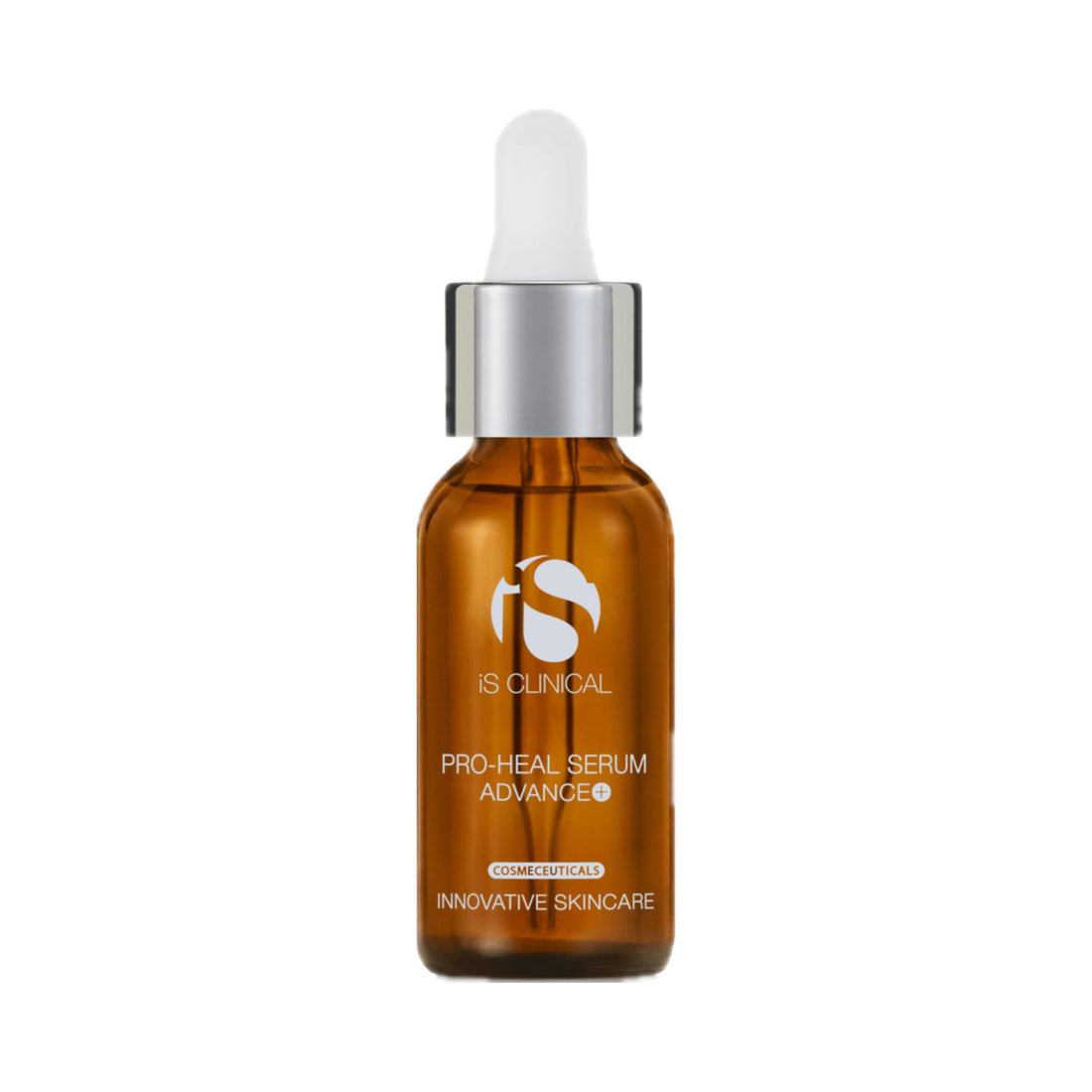 Vendor:Pro-Heal SerumiS Clinical
- Regular price
-
$99.00 $165.00 - Regular price
-
- Sale price
-
$99.00 $165.00
-
Step 6: Moisturize
-
Step 7: Sunscreen Every Morning